
Company Overview
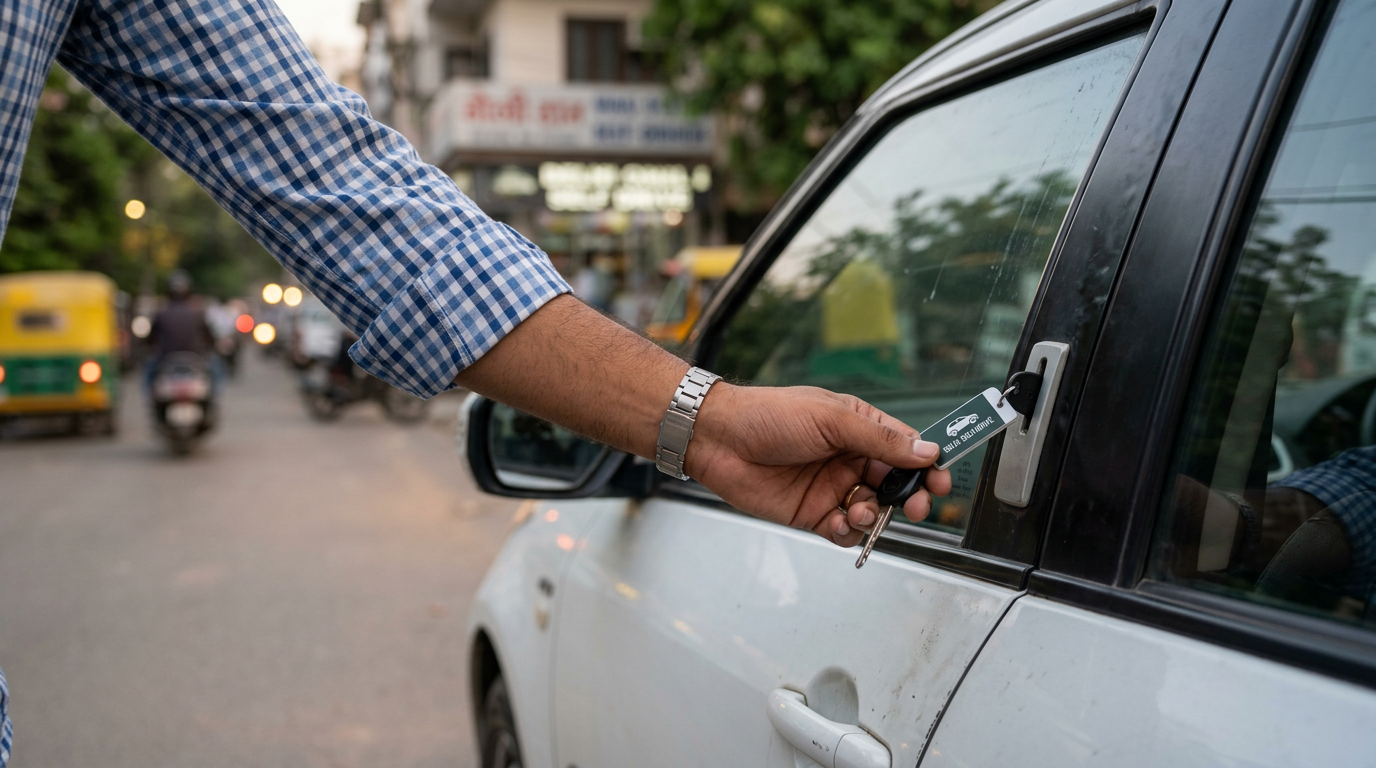
Zoomcar is India's largest peer-to-peer self-drive car-sharing marketplace, an asset-light platform where private hosts list vehicles and Zoomcar's app handles discovery, keyless access, and payment. Founded in 2013 and headquartered in Bengaluru, it operates across most major Indian cities, serving urban professionals, business travellers, and leisure renters who want the flexibility of a car without owning one.
Challenges
Self-drive car rental companies don't have a traffic problem, they have a utilisation and revenue problem. NYX identified four specific issues limiting Zoomcar's fleet economics:
Low weekday utilisation: cars sitting idle during business days.
High acquisition cost: expensive customer acquisition eating into margins.
Short bookings: rentals concentrated largely on weekends.
Low repeat rate: few renters coming back for a second booking.
The objective: increase fleet utilisation, booking duration, repeat users, and overall revenue through performance marketing, not just drive more traffic to the app.
NYX Solution
Instead of running basic ads, NYX built a revenue- and utilisation-focused strategy across eight pillars. The positioning was deliberate: "We don't optimise for installs or traffic. We optimise for revenue per car."
High-Intent Search Acquisition | Strategic Geo Targeting |
Captured ready-to-book search demand. Early spend-scaling softened ROAS to 1.95, corrected by tightening keyword and audience targeting rather than just adding spend. | Precision targeting around high-footfall commercial and travel zones. This also surfaced an underused Meta catalog sales format that had been limiting automated product discovery. |
Customer Cohort Targeting | Weekday Utilisation |
Segmented campaigns built for distinct user types, from young professionals to business travellers to previous customers. | Dedicated offers built specifically to pull business-day rentals, directly targeting the idle-weekday problem. |
Long-Duration Campaigns | Revenue Optimisation |
Promotions built around monthly and extended rentals to lift average booking duration. | Every campaign optimised for revenue per car, not installs or clicks. |
Repeat Customer Focus | SEO Optimisation |
Dedicated win-back and loyalty flows built to bring past renters back for a second and third booking. | Content and listings built around relevant keywords and local use cases. |
High-Value Customer Cohorts
Targeting was built around seven distinct cohorts, each mapped to a specific reason they mattered to fleet revenue:
Cohort | Why It Matters |
Young professionals (23–38) | Earn well but don't own a car |
Business travellers | Airport & client travel |
Corporate employees | Weekday usage |
Long-duration renters | Higher revenue per booking |
Weekend travellers | Volume bookings |
Previous customers | High conversion |
App installers | Warm audience |
Precision Geo & Creative Targeting
Geo targeting concentrated on airports, IT parks, business districts, corporate offices, co-working spaces, business hotels, metro stations, and startup hubs. Creative strategy was optimised across four dimensions: location (airport, office hubs, residential areas), demographic (age-group), temporal (weekend vs. weekday users), and use case (business travel vs. long-duration rentals). The rule across every channel: right creative, right user, right location, right time.
Running It All as One System
With six ad platforms, eight customer cohorts, and an eight-stage retargeting funnel all needing to run in parallel, the real execution challenge wasn't the strategy, it was launching and managing all of it as one connected system instead of building each platform and segment manually. This is where Xeno- campaign-launch agent, did the work: it took a single strategic instruction and turned it into live, multi-channel campaigns across Google, Meta, YouTube, Instagram, and Snapchat, keeping geo targeting, cohort segmentation, and retargeting logic consistent across every platform at once.
Platform | Purpose |
Google Search | High-intent bookings |
Google Display | Retargeting |
YouTube | Consideration |
Prospecting + retargeting | |
Travel & younger audience | |
Snapchat | Younger audience retargeting |
The Retargeting Funnel
User Stage | Strategy |
Website visitors | Complete-booking ads |
Car search users | Cars available for your dates |
Airport users | Airport pickup cars |
Monthly rental visitors | Monthly plans |
App install, no booking | First booking offers |
Previous customers | Book again |
Frequent renters | Subscription / long duration |
Weekend users | Weekday offers |
This significantly improved conversion rate, repeat bookings, and long-duration bookings.
Business Impact
The strategy delivered gains across every metric that matters for a rental fleet: more bookings, longer bookings, more repeat renters, and a materially cheaper, more efficient acquisition engine.


NYX transformed performance marketing into a growth engine focused on both revenue and fleet efficiency. The strategy increased bookings and repeat customers, strengthened long-duration and airport demand, and improved weekday fleet utilisation. At the same time, more efficient media allocation helped reduce booking costs while improving ROAS driving sustainable growth across the business.
Key Takeways
By targeting young professionals, business travellers, and airport users across Google, Meta, and Snapchat, and running geo-targeting, high-intent search, and structured retargeting funnels through Xeno as one connected system, NYX moved Zoomcar's fleet from a traffic problem to a revenue-per-car problem, and solved it.